
Rain hits your roof, and most people ignore gutters. They seem dull until trouble starts. Water spills over the edges and soaks the walls fast. Small clogs turn into leaks and stains. This is where roof gutter cleaning truly helps. Clean paths push rain away from your home. They cut rot cracks and damp repairs. Neglect brings pests, mold, and high costs. Problems grow slowly, then strike hard.
Most blockages start with leaves, dirt, and roof grit. Flow slows during storms, and water backs up. Regular maintenance can prevent roof gutter issues and keep water moving the right way. You might notice fewer drips on the walls. Simple checks catch loose joints early. Safe steps matter when working above ground. This guide shares actions you can trust today. These habits help prevent water damage and home stress later.
Why Roof Gutter Cleaning is Essential?
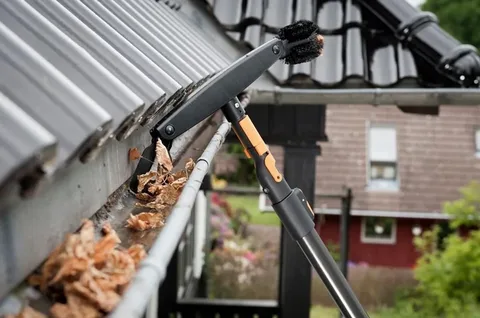
Rain can turn calm days into stress fast. Blocked gutters push water onto walls and roofs. Damage starts small and then spreads quietly. Roof gutter cleaning helps stop these problems early. Clear gutters move rain away from weak areas. This keeps walls dry and roofs strong. You avoid stains, rot, and costly fixes. Simple care now saves pain later. Homes feel safer during storms with a clean flow.
Leaves and dirt build up every season. Water slows, and pressure grows during rain. This leads to cracks and leaks over time. Learning how to prevent gutter clogs keeps water moving right. Basic checks protect joints and edges. Adding rain gutter protection lowers future buildup. Safe steps and simple tools make the task easy. Clean gutters support peace and dry spaces year-round.
1. Gather the Right Tools
Essential Gutter Cleaning Tools
Before starting any work, prepare tools with care. The right setup supports safe gutter cleaning from start to end. A strong ladder gives balance and reach. Gloves protect hands from sharp debris. Eyewear blocks dirt splashes. A scoop helps lift waste with ease. A bucket holds debris during roof gutter cleaning and keeps the ground clean.
Good tools make the task faster and calmer. A hose with a spray head clears fine dirt after scooping. This step supports full leaf removal from gutters without strain. Optional tools add ease for some homes. Guards reduce future buildup and save time. Leaf blowers help with dry debris only. Professional gutter cleaning ensures these steps are done safely and efficiently, reducing risk and helping finish work with confidence.
2. Step-by-Step Roof Gutter Cleaning
Safety First
Start slow before climbing any ladder. Place the ladder on firm level ground. Wear shoes with a strong grip for balance. Keep your body centered while working above. Avoid reaching far to either side. Move the ladder instead of leaning. Ask a helper to stay close for support. These habits help clean gutters at home with less risk.
Cleaning Process
Begin by removing leaves and dirt by hand. Use gloves to protect skin from sharp debris. Place waste into a bucket as you work. This step helps prevent gutter clogs during storms. Flush gutters with water to test flow. Check downspouts for slow movement. Look for cracks, rust, or loose joints. Fix small issues before bigger damage starts.
Final Check
Walk the full gutter line once finished. Make sure water exits freely at each point. Clear debris from the ground below. Dispose of waste away from drains and paths.
3. Using Gutter Guards for Long-Term Protection

Benefits of Gutter Guards
Leaves and twigs cause most block issues. Guards block debris before it enters gutters. This brings clear flow during storms. Fewer block issues mean fewer climbs. You save time and reduce risk. Strong covers also guide rain well. These gutter guard benefits help protect walls, roofs, and the ground. Homes stay dry with less effort. Guards add calm during heavy rain.
Choosing the Right Guard
Pick a guard that fits your gutter shape. Match it to local rain and leaf fall. Easy access matters for quick checks. Avoid covers that trap fine grit. Simple designs are easier to clean. Good fit supports long-term care. Follow this deep deck cleaning guide to maintain nearby surfaces while keeping your gutters flowing smoothly. Smart choices now reduce work later. Guards work best with light checks each season.
4. Downspout Care and Maintenance
Prevent Water Damage
Downspouts guide rain away from your home base. When flow fails, water moves toward the walls and the soil. Damage starts slow then grows. Regular downspout cleaning keeps paths clear after storms. Extend pipes away from the base. Check ends often for dirt. These steps help prevent water damage and costly fixes. Simple habits save time and worry daily.
How to Maintain Downspouts?
Good care keeps water moving during heavy rain. Start by flushing water through each pipe. Watch the exit flow at ground level. Slow flow means a block inside. Tap the pipe with care to free debris. Flush again until the flow feels clear. This routine makes downspout cleaning easier over time. It fits busy home schedules well today.
Long Term Care Tips
Check downspouts after big storms or leaf fall. Clear soil near exits to stop splash back. Secure loose straps so pipes stay straight. Small fixes now avoid stress later. Clean flow protects walls, paths, and soil. Steady care helps prevent water damage and keeps your home calm year-round. These steps work well for most homes.
5. Seasonal Tips for Roof Gutter Cleaning
Fall and Winter Preparation
Cold seasons bring heavy rain and falling leaves. Gutters fill fast during this time. Roof gutter cleaning before storms helps avoid stress later. Clear paths move water away from walls. This step supports debris-free gutters through harsh weather. Early care reduces overflow and damp spots. Homes stay calmer when rain hits hard. Simple prep now avoids rushed work later.
Cold Weather Care
Winter adds a new risk for blocked gutters. Trapped water can freeze and expand. This leads to roof edge damage over time. Focus on ice dam prevention before snow arrives. Remove leaves and dirt fully. Check the flow after cleaning. Gutter heaters help stop ice buildup. These steps keep water moving even in cold months. Hardscape maintenance also benefits from proper gutter care, protecting patios, walkways, and driveways from water damage. Steady care protects roofs, walls, and ground all season.
6. Inspecting Gutters for Damage Roof Gutter Cleaning

Checking gutters often prevents larger problems later. Damage usually starts small and grows quietly. Roof gutter cleaning works best with regular checks. You spot trouble before rain makes it worse. Strong gutters protect walls, soil, and roof edges. This habit saves money and stress over time. A simple routine keeps your system working well.
What to Look For?
Start by watching how gutters sit along the roof. Loose or sagging areas signal weak support. Rust spots show aging metal that needs care. Small cracks can turn into leaks fast. Standing water means the flow is blocked somewhere. Use a basic gutter inspection checklist during each check. Clear signs help you act early. For exterior upkeep, pairing this with trusted commercial painting ensures both gutters and building surfaces stay protected and looking professional.
Quick Repairs
Small fixes help avoid full replacement later. Reattach loose sections using proper fasteners. Tight joints keep water moving in the right path. Seal small leaks with gutter sealant made for outdoor use. Check your work after the next rain. Regular roof gutter cleaning supports longer gutter life. Quick action keeps your home dry and secure.
7. Common Gutter Problems and Easy Fixes
Why Gutters Fail Over Time?
Gutters face wear from rain, sun, and debris. Leaves sit wet and cause rust. Fasteners loosen after heavy storms. Water pools and adds weight. Small shifts lead to sagging lines. Poor slope slows water flow. These issues appear slowly. Regular checks during roof gutter cleaning expose problems early. Early care avoids costly repairs later and damage.
Simple Fixes Homeowners Can Handle
Many gutter issues need simple action. Tighten loose brackets by hand. Adjust the slope so water moves well. Clear debris to restore flow. Seal small leaks with proper sealant. Replace worn screws when needed. These fixes support clean gutters at home. They also help prevent gutter clogs during storms.
When to Seek Extra Help
Some damage needs skilled help. Deep rust weakens metal fast. Long sagging runs risk of collapse. Hidden leaks stain walls below. Call for help when fixes feel unsafe. Smart timing protects your home. Roof gutter cleaning with expert checks adds peace. Good judgment saves time, money, and stress.
Conclusion
Clean gutters protect homes from slow water damage. Proper tools keep work safer and faster. Step-by-step care stops missed debris. Guards reduce buildup across seasons. Downspout care sends water away from walls. Seasonal checks prepare homes for storms. FC Paint Pro Wash roof gutter cleaning supports a steady flow and fewer repairs. Small habits today prevent stress later. This care fits any home size.
Regular care keeps gutters working year-round. Clear flow protects roofs, walls, and soil. Simple checks save money and time. Homes feel calm during heavy rain. Good upkeep builds trust in every storm. These habits support long-term home value. Follow this guide to keep roof gutters clean at home. Prevent clogs, protect your home, and keep water moving today.
FAQs
Most homes need cleaning twice each year. Spring clears seed and grit buildup. Fall removes heavy leaf drop. Homes near trees may need more checks. Regular roof gutter cleaning avoids sudden overflow during storms. Set reminders so tasks do not slip.
Yes, with care and patience. Use a stable ladder on flat ground. Wear shoes with a strong grip. Keep weight centered while working. Move the ladder often. Ask someone to stay nearby for help.
Guards reduce leaf entry and heavy debris. They lower the cleaning time across seasons. Some fine grit may still enter. Simple checks keep guards working well. Guards work best with light care.
Flush water from the top first. Watch the flow at the bottom. Tap the pipe gently to loosen blocks. Repeat flushing until the flow clears. Avoid hard strikes that bend metal.
Water spills over the edges during rain. Stains appear on walls. Gutters sag or pull away. Plants grow inside channels. These signs mean action is needed now.