A shed faces many risks during each season. Rain, sun, wind, and damp air slowly weaken surfaces. Wood swells, metal rusts, and roofs leak over time. Many owners ignore early signs until repair costs grow. Learning how to protect the shed from the weather helps extend the shed’s life. Simple steps today prevent stress and loss later.
Weather damage rarely comes from one cause. Water enters through gaps while heat fades the outer layers. Cold air traps moisture inside walls. Strong storms test weak joints and loose panels. Choosing the best outdoor flooring helps protect surfaces from weather stress early and prevents these issues. Good planning keeps tools, gear, and storage dry year-round.
This guide explains clear steps that work for most sheds. You will learn about strong build choices, airflow control, and water blocks. These ideas suit wood, metal, and mixed sheds. Each step focuses on real use and easy care. Now lets see how steady protection keeps your shed solid.
Why Weather Protection Is Essential for Your Shed?
Your shed holds tools, gear, and old memories from past projects. One storm can ruin years of care overnight. Rain leaks soak boxes and floors fast. Sun fades surfaces and weakens panels. Wind shakes frames until joints loosen. This is why owners must protect the shed from the weather early. Weather stress builds slowly but causes fast damage. Rain finds small gaps and spreads inside walls.
Sun heat dries wood and causes bends. Cold traps damp air for rust growth. Strong wind tests weak roofs and doors. Smart planning avoids loss and saves money long term. This guide explains why action matters now. You will learn shed waterproofing tips that block leaks fast. You will see ways to seal gaps and control damp air. Simple steps keep tools dry and sheds strong. Taking action today keeps your shed ready tomorrow.
1. Choosing Durable Materials for Long Lasting Protection
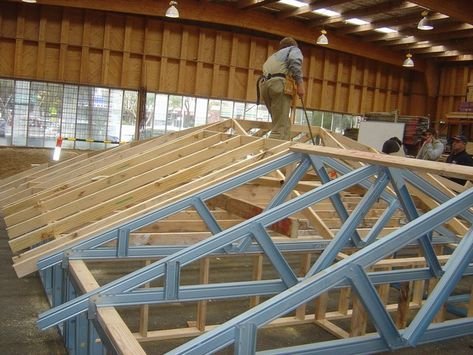
Strong build choices decide how long a shed survives harsh seasons. Weak panels fail fast under rain, sun, and wind. The right pick reduces repairs and stress. Many owners start with long-lasting shed materials that handle daily exposure. Smart material choice protects value and stored items.
Metal Sheds Steel Options
Metal sheds suit harsh areas with heavy rain and heat. Steel options like Colorbond and Zincalume fight rust and sun wear. These panels stay firm during storms and strong winds. Their coated surface supports UV damage protection for shed walls and roofs. Steel also resists bends and cracks over time. This makes metal a solid choice for rough climates.
Wooden Sheds Protective Treatments
Wood sheds look classic but need care. Treated wood blocks rot and bug harm. Seal coats stop water from soaking deep. Regular stain keeps boards firm and clean. These steps help prevent shed rust on bolts and joints. Care keeps wood sheds strong for many years.
Composite and Plastic Options
Plastic and blend sheds offer easy care. These sheds resist sun fade and water soak. They stay light yet strong in storms. Many owners like their simple wash needs. These options work well for busy users who want less upkeep.
2. Shed Waterproofing Techniques
Water is the main cause of shed damage. Small leaks grow fast during storms. Damp floors ruin tools and boxes. Walls absorb moisture and weaken over time. Using smart shed waterproofing tips helps avoid these issues early. Proper sealing and drainage keep the shed dry and stable.
Roof Waterproofing
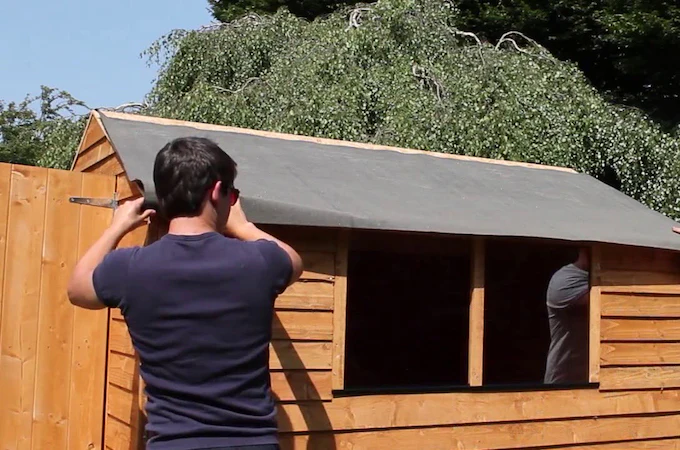
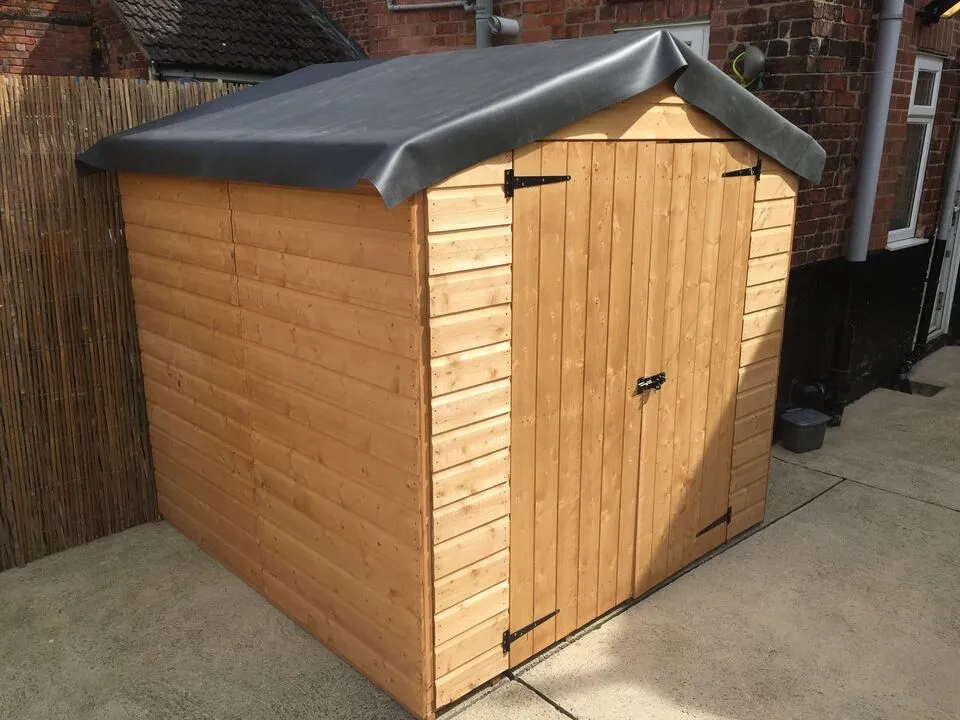
The roof takes the hardest hit from the rain. Metal sheets or asphalt roofs block water from the well. Panels must overlap to stop leaks. Loose edges invite slow drips inside. A sealed roof helps protect the shed from rain during heavy storms. Strong roofing also reduces repair work later.
Sealing Gaps and Cracks
Gaps let water and wind enter sheds easily. Doors and windows need tight seals. Weather strips block rain and cold air. Silicone seal fills joints and corners well. This step improves moisture control for shed spaces. Dry air inside slows rust and wood damage.
Proper Drainage Around Shed
Ground slope matters more than many owners think. Water must flow away from the shed base. Gravel paths help soak up rain fast. Drain lines move water away safely. Good drainage stops puddles and floor rot. This step protects shed strength long-term.
3. Insulation to Regulate Temperature and Condensation
Temperature swings cause hidden shed damage. Hot days trap heat inside walls, while cold nights create damp air on surfaces. This leads to rust, mold, and warped boards. Smart shed insulation ideas help control these risks and support affordable commercial painting results by protecting coated surfaces. Insulation keeps the inner space steady and dry, helping safeguard tools, gear, and stored items.
Fiberglass and Foam Options
Fiberglass and foam both slow heat flow. They cool down during the summer heat. They also hold warmth during cold months. This balance limits surface sweat inside the walls. Less moisture means fewer rust and mold issues. These materials support strong shed moisture control over time. They suit metal and wood sheds well.
Reflective Foil Insulation
Foil insulation works best in hot areas. It reflects heat away from the shed walls and roofs. Metal sheds gain the most benefit from foil layers. Lower heat reduces inner air stress. Cooler air lowers damp buildup. This option needs little care once installed. It works well for sun-heavy regions.
Tips for Wooden Sheds
Wood sheds need careful insulation planning. Foam boards fit well between wall frames. Vapor layers block damp air movement. This step stops water from settling inside the walls. Good airflow supports long-term shed moisture control. Proper setup keeps wood firm and clean.
4. Ventilation Methods to Prevent Mold & Rust
Poor airflow traps damp air inside sheds. This hidden moisture causes rust, mold, and bad smells. Tools suffer first, then walls weaken. Good shed ventilation methods show how to prevent mold by solving the problem early. Steady air movement keeps surfaces dry and balanced, and ventilation works with insulation for full protection.
Passive Ventilation
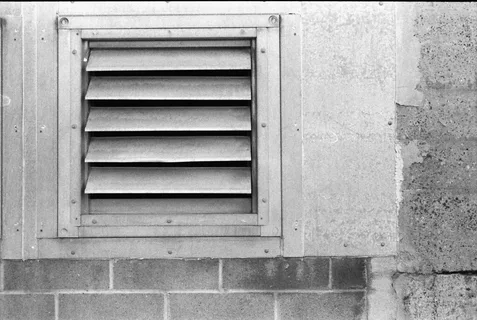
Passive airflow uses natural air movement. Vents or louvres allow warm air to escape. Windows placed on opposite sides create cross flow. This steady exchange reduces damp air buildup. Passive systems need no power or upkeep. They support daily moisture control for shed spaces. Many owners choose this for simple storage sheds.
Active Ventilation
Active systems suit work sheds and large spaces. Fans push stale air outside fast. These systems help during hot or wet seasons. Some units adjust airflow by temperature. Controlled airflow keeps metal parts dry. This helps prevent shed rust on tools and frames. Active vents cost more but offer steady results.
5. Protecting Against Wind Damage
Strong winds can damage a shed within minutes. Panels loosen, roofs lift, and doors slam hard. Small sheds face the highest risk during storms. Building for shed wind resistance reduces the sudden loss. Solid bases and firm frames keep sheds steady. Wind planning matters as much as water control.
Foundation and Anchoring Tips
A stable base holds the shed in place. Concrete slabs give the best support. Compacted gravel also works for lighter sheds. Anchors fix the frame to the ground firmly. This stops the lift during strong gusts. Proper anchoring helps create a true storm-proof shed. It also protects nearby items from impact.
Reinforcing Doors and Windows
Doors and windows often fail first. Weak frames bend under pressure. Heavy frames resist force and stay aligned. Strong locks stop doors from swinging open. Smooth shed shapes reduce direct wind push. These steps increase shed wind resistance during storms. Better fittings also improve daily use and security. Wind damage is sudden and costly. Planning ahead saves time and repairs. Strong foundations and tight frames keep sheds standing.
6. Guarding Against UV Damage
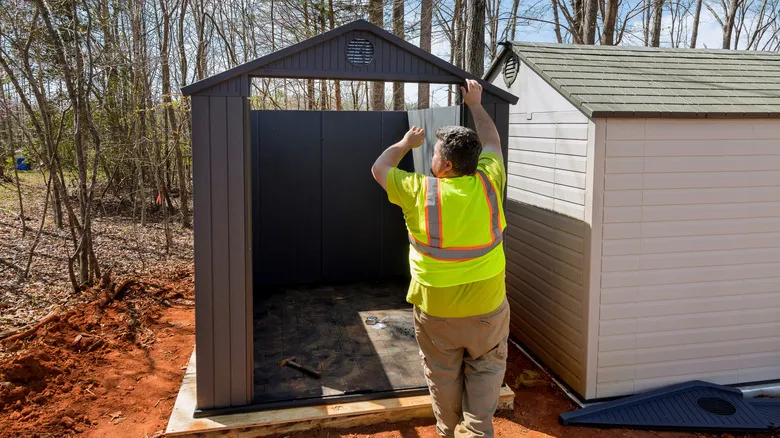
Paint and seal or coat your shed with UV-resistant finishes to block sun damage. Strong sun fades surfaces fast. Bare wood dries and cracks over time. Metal loses its shield and starts to rust. Using UV damage protection for shed walls and roofs keeps panels firm and clean.
Quality coats also support long-lasting shed materials by slowing wear from heat and light. Check the paint each year for thin spots or peel. Early care keeps your shed looking strong and ready for many seasons ahead. Simple recoat steps save money, time, and avoid early panel failure under sun cycles.
7. Regular Maintenance for Weather Protection
Routine care keeps sheds strong through harsh seasons. Small issues grow fast when ignored. Regular checks help owners protect the shed from weather damage early. A clear plan reduces repair costs and loss. These shed maintenance tips focus on simple actions. Each step fits busy schedules and real use. Consistent care keeps sheds dry, firm, and useful.
Inspect Roof and Walls
Check roofs and walls every few months. Look for cracks, rust, or loose panels. Peeling paint exposes surfaces to rain and sun. Small gaps invite water inside fast. Early fixes stop wide damage later. This habit supports long-term shed strength. Visual checks take little time yet save money.
Clean Gutters and Drainage
Blocked drains cause water to pool near the bases. Standing water weakens floors and frames. Clear leaves, dirt, and debris often. Make sure water flows away freely. Good drainage keeps the ground firm and dry. This step protects the structure and stored items. Clean paths reduce damp spread.
Replace Damaged Components Promptly
Broken doors let wind and rain enter. Loose windows weaken wall seals. Cracked siding spreads damage fast. Replace parts as soon as issues appear. Fast action keeps protection intact. Strong fittings help protect the shed from weather year-round. Timely repairs extend the shed’s life greatly.
Conclusion
Weather protection works best when all steps support each other. Strong materials resist wear and reduce early failure. Waterproof layers block leaks before damage spreads. Insulation controls heat and limits damp air inside. Ventilation keeps airflow steady and surfaces dry. FC Paint Pro Wash follows smart wind planning to help protect structures during storms.
Sun care prevents fade, cracks, and surface loss. Routine checks catch issues early and avoid costly repairs. When these steps work together, sheds stay firm, clean, and useful. One clear plan helps you protect your shed from the weather through every season with less effort and stress.
Now is the right time to take action. Small changes today prevent major loss tomorrow. Use this guide as a simple checklist for care. Each step protects tools, gear, and stored items. Do not wait for leaks, rust, or cracks to appear. Protect your shed today and keep storage ready. Use this guide to safeguard your storage and equipment from weather damage.
FAQs
Start with roof checks and tight overlaps. Seal gaps around doors and panels. Use the ground slope to move water away. These steps block leaks fast. They also help protect the shed from the weather during heavy rain. Simple care prevents damage before it spreads.
Steel panels resist rust and sun wear well. Treated wood works with proper seal coats. Plastic sheds resist water and sun fading. Choose based on local climate and use. Strong builds reduce repairs over time. Material choice matters from day one.
Keep metal dry through airflow and seals. Use rust-resistant paint on weak spots. Check bolts, joints, and edges often. Clean damp areas fast after storms. Dry air slows rust growth. Care keeps metal sheds strong.
Foam boards fit walls and roofs well. Fiberglass suits larger shed spaces. Foil layers reflect heat in hot zones. Insulation controls heat and damp air. Balanced air reduces mold and rust risk. Choose based on the shed type.
Inspect sheds every few months. Clean drains and roofs often. Fix damage as soon as found. Regular care saves money and stress. Consistent checks extend shed life greatly.