
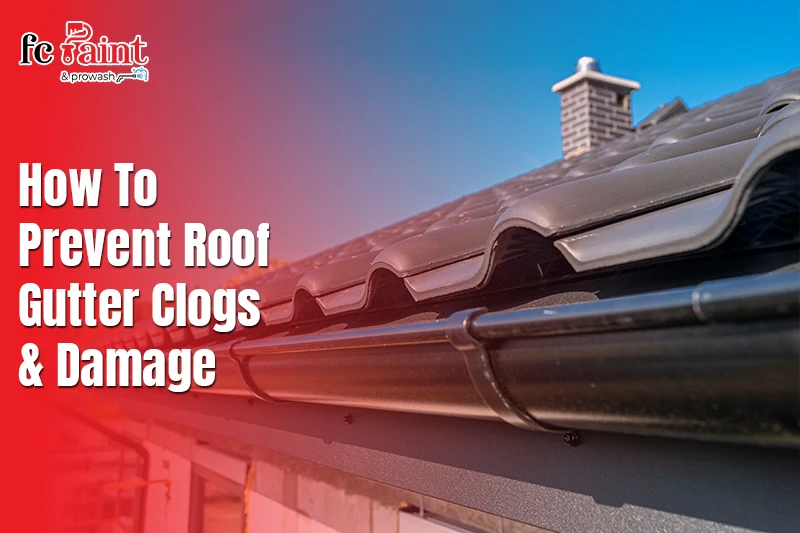
Rain pours fast, and gutters fail faster when ignored. Many homes suffer leaks without warning. Roof gutter clogs block water flow and push rain toward weak edges. You might notice stains, slow drainage, or sudden drips. These signs feel small but lead to big repair costs. Homeowners often delay action until damage spreads. A short plan today saves walls, roofs, and peace of mind tomorrow. Smart care keeps water moving away from trouble.
Now let’s see how daily habits protect your home. Roof gutter clogs form from leaves, dirt, and poor flow paths. When water sits, damage follows soon after. Wood swells, paint peels, and soil shifts near walls. With simple checks and steady care, you can prevent these risks and extend shed life. Clear steps help you prevent gutter damage before storms hit. This guide shares clear tips you can follow with ease.
Why Roof Gutter Maintenance is Essential for Roof Gutter Clogs?

Rainwater feels harmless until it has nowhere to go. Blocked gutters push water onto walls, roofs, and ground edges. Roof gutter clogs often start small but grow fast. Leaks appear, stains spread, and wood weakens over time. Many homes face repairs that cost more than simple care. You might not see the issue until the damage feels serious. Regular checks protect comfort value and long-term peace.
Now let’s see why steady care matters. Simple gutter maintenance tips keep water moving away from your home. Clean paths reduce stress on joints and fasteners. Gutters last longer when the weight stays low. Water flows clean, and soil stays firm near walls. This routine helps prevent damage before storms test your system. A small effort today avoids big repair work later.
1. Regular Gutter Cleaning
Blocked gutters create stress during heavy rain. Leaves and dirt pile up fast. Roof gutter clogs stop water flow and force spills over the edges. This water hits walls, roofs, and ground near the base. Over time, damage grows without a clear warning. Professional gutter cleaning and regular care keep the system light and steady. It also lowers repair risks during storms. Clean paths protect both structure and comfort.
Importance of Cleaning Gutters
Debris builds slowly and hides deep inside channels. Clean gutters regularly to avoid overflow and weak joints. When the weight increases, brackets bend and seams loosen. Water then escapes into places it should not reach. This leads to stains, rot, and soil shift. A clean gutter moves water away with ease. That simple flow protects the home daily.
How to Clean Effectively?
Follow smart gutter maintenance tips for the best results. Remove debris twice yearly during dry weather. Wear gloves and use a strong ladder. Work slowly and stay balanced. Flush gutters using a garden hose after clearing. Check down paths to ensure smooth flow. This habit keeps gutters ready for every season.
2. Installing Gutter Guards

Gutters fail when debris enters without control. Roof gutter clogs often start from falling leaves and roof waste. Guards act as a barrier that keeps flow paths open. Water moves freely while debris stays out. This simple upgrade reduces stress during storms. Homes stay dry, and walls avoid slow leaks. Guards support long-term system health.
Benefits of Gutter Guards
Strong gutter guard benefits appear right after install. Leaves stay out, and water flows clean. Cleaning needs drop each year. Weight stays low on brackets and joints. Overflow risk falls during heavy rain. Guards also block nests and buildup. This layer helps protect siding, roofs, and ground areas. It is a smart step to prevent gutter damage early.
Choosing the Right Guard
Pick guards that match your gutter style and weather needs. Mesh works well for small debris. Solid covers suit heavy rain zones. Climate matters for ice and heat changes. Proper fit ensures steady flow. Affordable commercial cleaning services can help maintain your gutters and prevent damage over time.
3. Trimming Overhanging Branches

Trees add shade but cause hidden gutter trouble. Branches hang over roofs and drop waste often. Roof gutter clogs form when leaves pile up fast. Water slows and spills over edges. You might not notice until stains appear. Branch control keeps gutters clear during storms. It also protects roofs from scrape marks. A clear roof line supports steady drainage.
How Trees Affect Gutters?
Branches shed leaves, sticks, and seeds each season. This leads to heavy leaf removal from gutter tasks. Debris traps water inside channels. Wet piles add weight and strain joints. Overflow then hits the walls and the ground. The problem grows after each storm. Tree control reduces this constant buildup risk.
Preventive Steps
Trim branches that reach over the roof. Keep space between trees and gutter lines. This limits debris drop during the wind. Fewer leaves mean fewer blockages. Regular trimming lowers cleaning time. It also reduces roof gutter clogs all year. Small cuts bring long-term relief.
4. Ensuring Proper Gutter Slope
Water should move fast through gutters during rain. When the slope fails, water sits and causes trouble. Roof gutter clogs grow when water stays trapped too long. Standing water pulls dirt and leaves together. This weight strains joints and fasteners. Over time, leaks appear near edges and walls. Many homes miss this issue during checks. A proper angle keeps water moving away from danger. Follow this deck cleaning guide to maintain outdoor surfaces while ensuring your gutters flow properly. Flow matters as much as cleaning.
Why Slope Matters?
The proper gutter slope guides water toward down paths. A poor angle lets water rest inside channels. Resting water leads to rust sag and cracks. Debris sinks and blocks the flow faster. Cold areas face ice buildup risk. Heat causes warping under weight. Slope errors shorten gutter life quickly. Fixing angle protects the structure and saves cost.
How to Fix the Slope?
Use smart gutter maintenance tips during checks. Look for low spots along the run. Adjust hangers to guide water toward downspouts. Keep a steady drop from start to end. Test the flow with water after changes. Watch movement and speed. Consistent flow prevents buildup and damage. This step keeps gutters working every season.
5. Regular Roof Inspections
Roof care shapes how gutters perform during rain. Roof gutter clogs rise when roof surfaces shed loose debris. Moss algae and worn shingles drop waste into channels. Water then slows and backs up fast. This overflow hits walls and ground near the base. Many gutter issues begin above the edge line. Regular roof checks stop problems before they spread. A healthy roof supports clean drainage.
How Roof Health Affects Gutters?
Poor roof care increases debris flow into gutters. This raisethe s risk of roof water damage prevention failure. Moss breaks apart during rain. Algae loosens grit and dirt. Damaged shingles shed granules often. All this waste settles inside gutters. Flow weakens, and overflow follows. Roof health directly controls gutter load.
Maintenance Tips
Follow a simple gutter inspection checklist each month. Check roof surfaces for moss growth. Remove algae using safe tools. Replace damaged shingles fast. Clear loose debris near edges. Watch how water moves during rain. Quick action keeps gutters clear. This habit protects the walls, soil, and home value.
6. Downspout Maintenance and Extensions
Downspouts guide water away from your home base. Roof gutter clogs worsen when water stops near walls. Shorten paths that dump water too close. Soil shifts and damp spots appear fast. Over time, this weakens the base and siding. Good downspout flow protects the whole structure. This step matters as much as gutter cleaning.
Preventing Water Damage
Strong downspout care keeps water moving far from walls. Extensions push flow into safe ground zones. This reduces pooling near the base. Soil stays firm and dry longer. Walls avoid stains and cracks. Proper reach lowers repair risk after storms. A simple extension offers big value.
How to Maintain?
Check downspouts often for hidden blocks. Leaves, dirt, and nests stop the flow fast. Flush water through each line monthly. Watch the exit for smooth flow. Fix bends or loose joints at once. Clear paths help prevent gutter damage over time. This habit keeps drainage strong during heavy rain.
7. Seasonal Tips and Ice Prevention
Weather changes test gutters more than any other factor. Roof gutter clogs rise when seasons shift fast. Cold traps water while fall adds heavy debris. Each season brings a new risk. Smart timing keeps systems ready year-round. Seasonal care prevents sudden leaks and costly repairs. Planning ahead keeps water moving when the weather turns harsh.
Winter Protection
Cold months demand strong ice dam prevention habits. Ice forms when water cannot drain fast. Frozen blocks add weight and stress joints. Gutter heaters help keep channels clear. They allow meltwater to flow out. Avoid packed snow near roof edges. Clear paths reduce freeze risk. This keeps gutters working during deep cold.
Fall Preparation
Fall is the best time for gutter maintenance tips. Clean gutters before heavy rain begins. Remove all leaves and loose debris. Check joints and hangers for strength. Clear down paths fully. A clean system handles storms with ease. This step lowers winter problems later.
8. Regular Inspection and Minor Repairs

Small gutter issues grow fast when ignored. Roof gutter clogs often start near weak joints or low spots. A quick look can stop large repairs later. Water finds gaps and creates slow damage. Gutters should sit firm and guide water away. Regular checks protect walls, soil, and roof edges. This habit keeps systems working through heavy rain.
What to Look For
Follow a clear gutter inspection checklist during each check. Look for loose or sagging runs along the edge. Spot rust marks or tiny leaks early. Check elbows and down paths for blocks. Watch how water flows during rain. Slow flow signals trouble ahead. Early signs help avoid full system failure. Use this fence cleaning guide to keep nearby structures in top shape while maintaining your gutters.
Quick Fixes
Small fixes help prevent gutter damage right away. Reattach loose sections using proper fasteners. Seal tiny leaks with gutter sealant. Clear blocks by hand or water flush. Test flow after each fix. These simple steps save time and cost. Regular repair keeps gutters strong year after year.
Conclusion
Gutters save your home when they work the right way. FC Paint Pro Wash recommends regular cleaning to stop buildup before trouble starts. Guards reduce debris and save time each season. Roof checks limit waste entering channels. A proper slope keeps water moving without delay. Seasonal care prepares gutters for weather shifts. These steps work together to reduce risk. Ignoring one part weakens the whole system. Roof gutter clogs become easier to avoid with routine care.
Strong maintenance prevents leaks, stains, and long-term damage. Small checks today stop big repairs later. Each step supports flow and structure health. Follow these expert tips to prevent roof gutter clogs and damage. Keep your gutters clean, protect your home, and schedule regular inspections today.
FAQs
Most homes need cleaning twice each year. Spring clears seed and grit buildup. Fall removes leaves before heavy rain. Homes near trees may need more checks. Regular care keeps water moving and avoids overflow issues.
Guards help block leaves and large debris. They reduce cleaning time each season. Flow stays steady during storms. They work best with routine checks. Guards support long-term care and help prevent damage costs.
Clear gutters before winter starts. Keep water paths open during cold days. Use heaters in cold zones. Remove snow near edges when safe. This limits freeze blocks and reduces backup risk.
Yes, blocked flow pushes water near the base. Soil becomes soft and shifts. Walls may crack over time. Damp areas invite stains and mold. Roof gutter clogs often cause this slow damage.
Check during dry weather first. Look for sag or rust marks. Run water to test the flow. Watch down paths for slow exits. Simple checks catch issues early.