
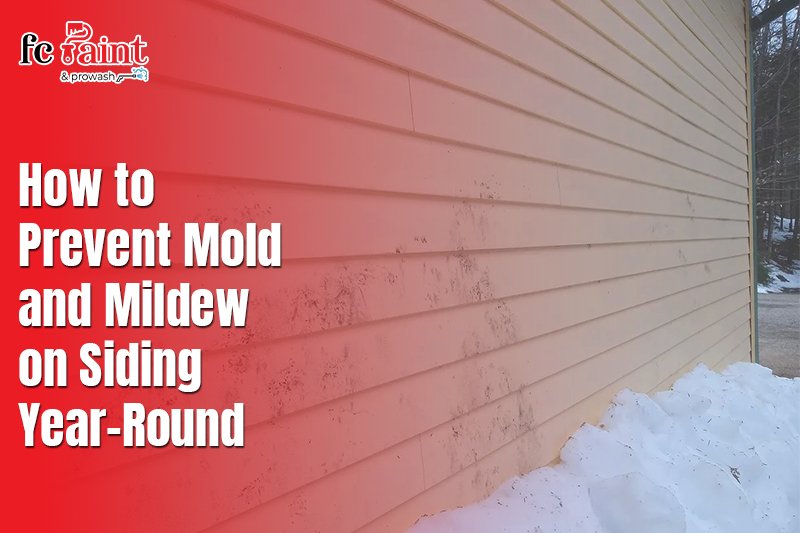
It is one thing to clean mildew off your siding. It is another to keep it from returning. Here is how to keep your home’s exterior looking fresh all year with proven steps. Homeowners often wonder about how to prevent mold and mildew on siding, and this guide begins with that vital focus. Mold thrives where shade, moisture, and dust combine, demanding regular upkeep and seasonal attention to avoid damage. Such areas need monitoring throughout the year to stay clean, bright, and strong.
Keeping your exterior clean is about more than appearance. It also protects the siding’s strength. Many homeowners also search for how to remove mildew from siding, because once mildew forms, removal requires careful steps. This resource will highlight prevention methods while explaining the solutions necessary for lasting siding protection.
Why Siding Gets Mold and Mildew
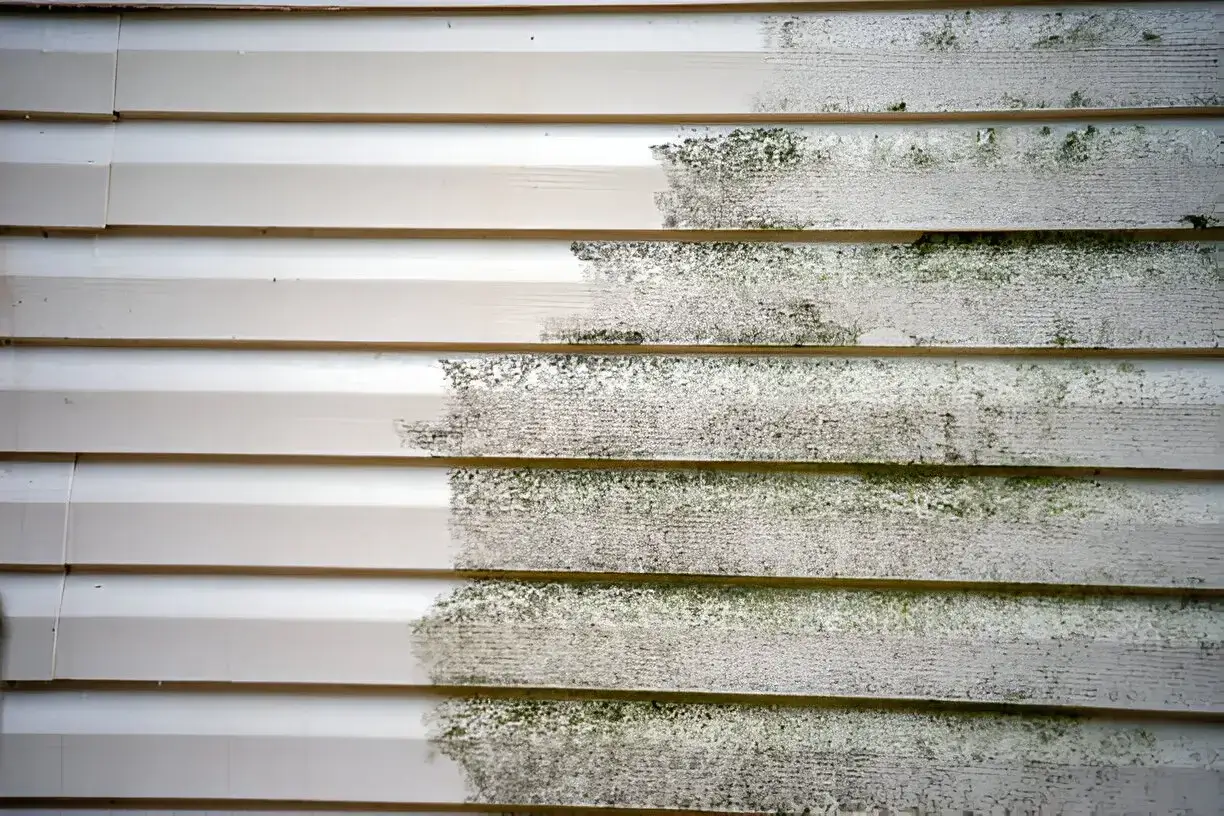
Moisture builds up when rain meets shade and humidity around outdoor surfaces. Surfaces that remain damp attract mildew quickly. Leaves gather inside siding crevices while dust lingers for many days. Moisture levels rise faster in shaded areas compared with exposed surfaces. To prevent serious damage, learn how to prevent siding mold growth before stains appear.
Mold looks darker and thicker. Mildew appears lighter and grows on the top layers. Mildew stays above the siding while mold goes beneath the surface. Mold spreads faster in humid areas, while mildew forms slowly on exposed walls. Spotting early signs helps prevent structural damage over time. Recognizing these differences enhances the timing of treatment. It also supports great prevention strategies for homeowners.
Wood and stucco attract mold more than metal or vinyl siding types. Textured finishes trap dirt longer. These surfaces absorb water and hold moisture inside grooves and gaps. Such materials need detailed inspections. These surfaces require deeper cleaning and extra attention with each passing season. Choose siding types carefully based on regional weather to reduce exposure to mildew conditions.
Annual Maintenance Schedule

Start each season by cleaning siding with soft tools and water sprays. Dirt-free panels resist mold. Washing helps remove pollen and grime from siding surfaces. These simple siding maintenance tips help avoid long-term grime and surface damage completely. Schedule seasonal cleaning before weather shifts, especially during wet or windy conditions.
Look for cracks after storms or wind shifts. Fixing early damage avoids major repairs. Sealing small breaks prevents moisture from creeping into vulnerable edges or seams. Use these smart tips to prevent mold inside hidden seams or wall joints. Small issues grow worse quickly, so fast inspections are essential.
Clean blocked gutters to stop dripping stains on vertical siding lines. Overflow attracts grime. Wet panels soak faster. Proper gutter work is one of the most vital siding maintenance tips for every season. Check gutter angles and drain positions during each inspection to reduce long-term siding discoloration.
Spring & Summer
Wash using soft pressure to avoid cracks or surface breaks. Avoid harsh jets. This method lifts mold gently. These techniques are valuable during sun-exposed seasons. Clean siding early each spring and mid-summer for better lasting performance.
Cut shrubs and vines touching the siding. This reduces moisture, and less shade helps drying. Vegetation traps humidity and dust. Trimming growth is among the top siding maintenance tips for warmer weather months. Prune plants during early spring and maintain spacing throughout summer.
Fall & Winter
Remove debris from gutters before winter freezes water buildup. Ice damages siding. Heavy snowfall compounds the issue. Regular cleaning ranks high on smart cold-season siding maintenance tips to follow annually. Perform this task before snowstorms to keep siding panels safe and dry.
Repaint cracked seams or peeling layers. Gaps trap water. Paint stops water intrusion. Insulation and sealing define the strongest cold-weather siding maintenance tips for full protection. Touch up paint before frost begins and keep a sealant kit available for quick fixes.
Cleaning Solutions for Prevention
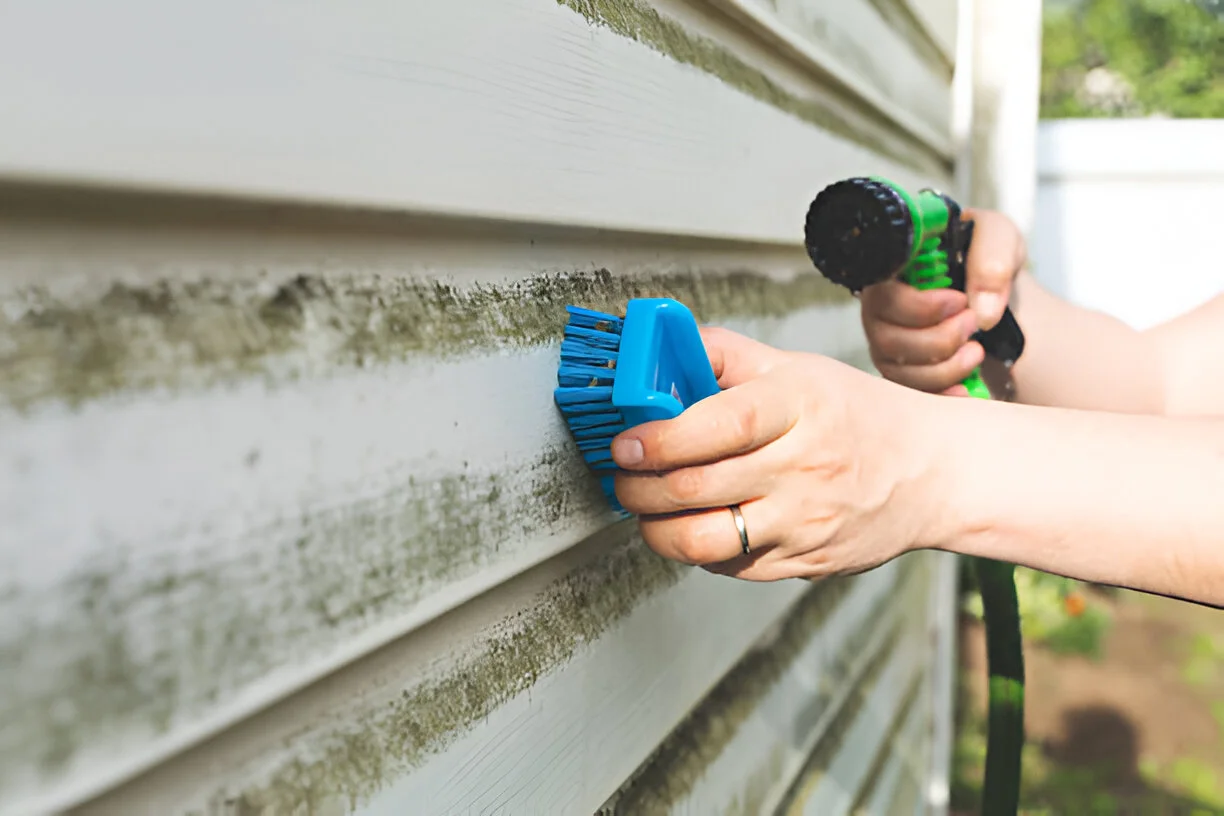
Mix bleach with water to lift stains. Test small patches before full use. Bleach must be diluted properly. This combo is often the best cleaner for siding mildew prevention in basic outdoor cleaning tasks. Avoid direct sun when applying, and rinse well with water after use.
For a deeper clean, try a house pressure washing cleaning plan. Using the right techniques removes dirt, mold, and mildew quickly, making siding maintenance simple and effective.
Use protective siding sprays with mildew resistance. Choose based on material type. Some include a wax or silicone seal. These provide the results for most home surfaces. Apply these sprays once per season to extend their protection.
Apply vinegar products for safe cleaning outdoors. These help lift mold. Natural cleaners remove mildew gently. Eco choices offer the best cleaner for siding mildew prevention using simple natural ingredients. They are safe near gardens and pets while still offering reliable performance.
Soft Washing for Longevity
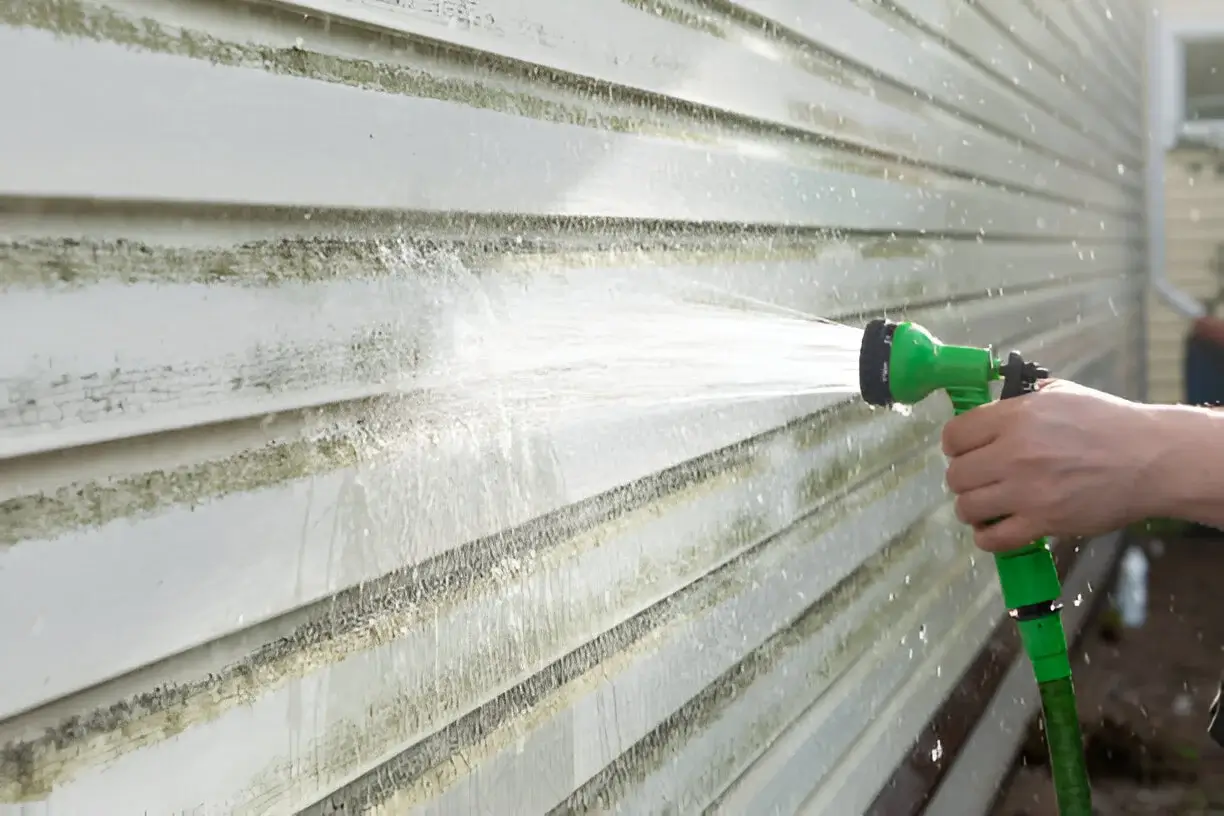
Low-pressure rinsing lifts grime and mildew without surface harm. It keeps siding strong. This prevents seal damage. That is why professionals suggest annual soft washing for siding in all climates. Always inspect after soft washing to ensure dirt was fully removed.
High pressure causes damage and peels paint fast. Soft washing avoids this problem. Strong water forces can harm older siding. Choose soft washing for longer protection without hidden wall cracks. Combine this with spring inspections for complete exterior care.
Clean twice yearly in humid zones. Dry places need one wash. Cooler regions need more care. Adapt frequency based on your location’s rainfall and humidity trends.
Siding Care Checklist

Brush panels monthly using soft tools to prevent buildup. Remove leaves or dust. Use long-handled brushes. This first step starts your siding care checklist and protects surface finishes from wearing down. Wash with mild soap for deeper cleaning without causing streaking or wear.
Trim limbs and bushes near walls to keep open airflow. This avoids shade buildup. Cut back overhanging growth. Include this on your seasonal siding care checklist for faster drying and fewer mold streaks. Keep tools nearby for routine trimming after rainfall or plant growth surges.
Dark walls need extra cleaning. These zones stay wet longer and clean more often. Shade slows drying. Add this step to your balanced checklist to protect all sides equally. Clean these areas after stormy days when moisture levels remain elevated.
House Washing & Pressure Washing
Book full-service washing for your home once per year. Include gutter and fence rinsing. Use professional crews with proper gear. These add-ons work well together. They protect your home and raise its curb appeal. Choose packages that offer eco-friendly soaps and safer application methods.
If mildew has already appeared, see our detailed guide on what to do if mildew has already formed. It provides great instructions that explain practical removal techniques and preventive care methods clearly.
FAQs
Wash vinyl siding twice yearly using soft cleaning products and gentle water pressure systems outside.
Yes, sealing keeps water out of seams. It helps reduce mold buildup across seasons and climates.
In humid zones, clean every six months. Dry regions may need professional cleaning once every year.
Yes, you can apply vinegar products for mildew control without bleach chemicals.
Yes, it protects siding, avoids stains, and adds value to long-term home maintenance.