
Fall brings bright color and a large yard load at the same time. You must deal with fall leaves and seasonal tree mess with a calm plan that feels light and real. Leaf piles can smother grass and slow lawn health. Wet leaves form slick spots that harm safe steps. You gain steady control with small, clear moves each day that shape a clean flow.
Trees drop new layers each week, and buildup can form quickly in tight yard spaces. You should handle fall leaves and seasonal tree mess before they block drains or hide pests. Leaf litter and tree debris can also damage beds and mulch lines. With a short plan in place, you can clear each zone using simple tools that work for any yard size or layout, keeping your outdoor areas clean and your hardscape maintenance made easy.
Your space stays fresh when you use smart fall yard maintenance habits. Mulching leaves feeds the soil with soft natural matter. Clean gutters stop roof block and water flow issues. Light yard work also stops wet leaf hazards on walks. Each step builds calm order for your yard with no stress. You gain a clean, safe yard that feels ready for the full fall drop.
Why Fall Leaf Cleanup Matters More Than You Think
Leaves Can Suffocate Your Lawn
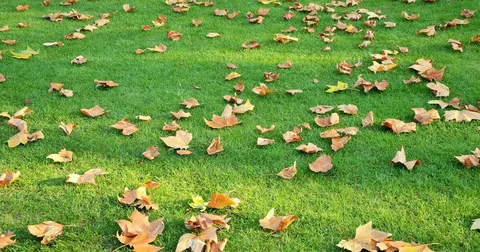
Thick leaves block light and harm lawn health. Grass smothers under heavy piles and loses air flow. Sunlight fails to reach weak spots and slows new growth. Trapped moisture feeds fungal growth and mold. Your yard needs clear soil to breathe and stay strong through each fall drop.
Leaf Piles Attract Pests and Wildlife
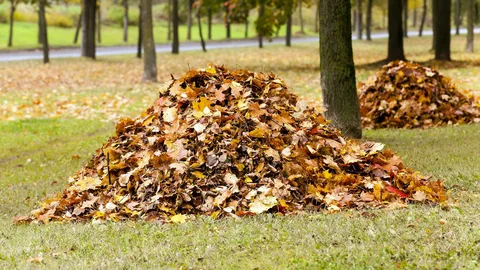
Leaf piles build fast and attract many pest habitat zones in warm spots today. Ticks and insects hide under soft layers and wait for new hosts. Rodents use leaf litter for quick nests. Mold forms in still zones and harms soil health. Some regions even face snakes that rest under deep piles.
Slippery Leaves Can Cause Injuries
Wet leaves turn slick and create real risks on your drive and walk today. Each step can slide on smooth layers and cause sharp injury. Heavy piles hide dark wet spots that trap feet. Your yard needs clear paths to stay safe for all. Fast cleanup keeps each path steady.
Leaves Can Clog Gutters and Cause Home Damage

Leaves in gutters block the roof flow and cause a heavy rain load on your home. Water spills over the edges and hits the walls with strong force. Roof leaks form in weak lines and spread inside rooms. Full gutters send water toward your base and harm soil. Clean gutters keep your home safe and sound.
Smarter Raking Techniques That Save Time and Energy
Choose the Right Rake for Your Yard Size
Your rake choice sets the pace of your work. A wide rake fits large yards and clears leaf litter fast. A small rake fits tight beds and protects plants. An ergonomic rake saves your back and helps long tasks feel light. Pick one tool that suits your yard size and your strength.
Raking Tips to Speed Up Cleanup
Rake in one clear direction for smooth flow. Use a leaf collection tarp to hold each load with ease. Pull leaves into soft hills and lift them onto the tarp. Work in dry weather for fast control and light weight. Dry leaves move well and protect soil aeration from deep marks. This plan cuts time and keeps your yard calm.
When You Should Skip Raking Altogether
Some days you do not need to rake at all. A mulch mower can shred lawn debris into fine bits for soil feed. This keeps your yard healthy and cuts heavy work. Skip raking when leaves stay thin and dry on open grass. These thin layers feed the soil with safe organic matter. Your yard gains care with no extra steps.
This method saves time and keeps your yard ready for fall.
Mow Instead of Rake: The Modern Approach
Mulch Your Leaves to Feed the Soil
A mulching mower turns dry leaves into fine pieces that fall between the blades. These shredded leaves break down fast and feed the soil with rich organic matter. This boosts soil nutrients and builds strong lawn health through the full fall drop.
Mulching also saves time since you skip long raking work. Your yard gains soft cover that keeps moisture in place without smothering grass. This simple move supports healthy roots and steady seasonal growth with very low effort.
How to Mulch Properly Without Damaging Grass
Wait for a dry day before mulching your leaves. Wet leaves stick to the mower and form thick clumps that block airflow. Set your mower to a medium height to protect the grass tips, and move slowly so the leaves shred into small, soft pieces that break down easily. Make two passes over each area for an even layer that supports healthy soil, much like what makes professional power washing worth the investment in maintaining a clean, healthy yard.
Keep mulch thin so grass still sees sun and air. A thick layer can block growth and trap heavy moisture. With light care, your yard stays clear, strong, and well-fed through fall. This method brings fast cleanup and fresh soil health without hard work.
Use a Leaf Vacuum or Blower for Faster Cleanup
Why Leaf Vacuums Work So Well
A leaf vacuum lifts leaves with strong suction power and moves them into large leaf vacuum bags. This saves your back from long raking work. A cordless blower pushes leaves into neat piles with fast force. Both tools reach tight areas where rakes fail.
They pick up lawn debris that hides near walls. These tools also help move wet leaves that cling to grass. You gain clean paths and clear beds with little effort. This method keeps your yard sharp and ready for each fall drop.
Best Places to Use Them: gutters, fences, driveways.
These tools work best in tough spots that collect leaf litter quickly. Gutters can fill with dry leaves that block rain flow, and a blower clears them safely in seconds. Fences trap leaves along long property lines, where a vacuum lifts each pile without disturbing nearby beds, making affordable fences cleaning easier to maintain. Driveways also gather slick, wet leaves that can create real hazards, so quick clearing keeps your space safe.
A blower moves them off the drive with smooth control. Use your tool on walks and steps for a safe, steady grip. These moves keep your home clean and lower fall risks in busy zones. This method brings speed and comfort to fall cleanup with simple tools.
Keep Your Gutters Clear Before Damage Starts
How Gutter Guards Reduce Leaf Buildup
Gutter guards keep leaves from falling into open roof lines and help prevent downspout clogs that slow runoff. This ensures water moves off your home with a steady, safe flow. Your walls and soil stay protected from moisture damage, and you gain peace of mind knowing each storm will pass smoothly. For added protection, professional gutter cleaning keeps the system clear and performing at its best.
Gutter guards also cut the need for high climbs on tall ladders. This boosts ladder safety and lowers stress for any homeowner. Guards block large leaf piles but still let rain move free. This keeps your gutters clear through the full leaf drop. Your fall cleanup stays light and safe with this smart step.
Quick Cleaning Tips for DIY Homeowners
Start with a steady ladder and firm shoes for a safe grip on each step. Scoop leaf litter from the top line with a small hand tool. Push loose bits toward the downspout for a full check. Clear each path so water flows with no hold. This keeps your home safe from roof leaks.
Now flush the gutter with light water for one clean pass. Watch the flow at the downspout to see if more work is needed. Dry the area when you step down for safe walk paths. These simple moves keep your gutters strong and ready for each fall storm.
Smart Ways to Reuse or Dispose of Fall Leaves
Compost Leaves for Nutrient-Rich Soil
Composting turns fall leaves into rich soil food. Dry leaves mix well with grass clippings for a strong balance. This blend supports safe composting and steady soil growth. A small bin keeps the pile warm and active. Light turns of the pile help air flow reach each layer. Your yard gains soft soil that feeds new roots with ease.
Use Leaves as Mulch for Garden Beds
Fall leaves make great mulching material for beds. Shred dry leaves with a mower for a smooth cover. Place thin layers around plants to hold soil water. This keeps roots cool and helps beds stay neat. Mulch also blocks weeds that fight for soil food. Your garden gains a clean look and strong health with very little work.
Bag Leaves for City Pickup or Drop Off
Some towns offer safe municipal leaf collection on set days. Bag dry leaves in paper lawn bags for easy lift. Place the bags near your walk for quick pickup. You can also haul bags to a drop site near you. This step keeps your yard clear and helps the town reuse leaf matter.
Should You Burn Leaves: Pros, Cons, Legalities
Some owners ask if leaf burning is safe. Dry leaves burn fast, but smoke harms the air near homes. Many towns set strict burn restrictions for the fall months. Smoke harms soil life and raises health risks for neighbors. Burning also sparks fire risk in dry weather. Check local rules before you burn a pile. Safer choices like mulch or compost avoid all stress.
Prevent the Seasonal Mess Before It Starts
Trim Your Trees in Late Summer or Early Fall
Strong tree trimming helps you stay ahead of the leaf drop wave. A light cut keeps branches neat and lowers heavy fall loads. Canopy thinning also helps more sun reach your yard soil. This keeps grass strong through early fall stress. Trim weak limbs before storms send them across your yard. You gain calm control with small early steps.
Plant Low-Maintenance or Slow-Dropping Trees
Some native trees drop fewer leaves and save you long, hard days. Slow-drop trees spread leaf fall over many weeks. This stops large piles from forming in one short burst. These trees also fit local soil and handle cold shifts well. Many owners use them to limit full leaf drop cycles in tight yards. This small choice lowers future work and keeps your yard steady.
Do Small Weekly Cleanups to Avoid Overwhelm
Short weekly cleanups keep your yard clear and stress-free. Lift small piles before they grow into heavy loads. Move leaves off the walks to stop slip risks. Mulch thin layers with your mower for quick soil feed. These steps hold your yard together all season. You gain an easy flow with slow, steady care each week. This plan stops big messes before they start and keeps your yard ready for fall.
Extra Tips for Managing Heavy Leaf Fall
Heavy leaf loads hit fast after storms. A short plan helps you stay in control. Start with storm debris cleanup in open spots. Lift large limbs first so leaves move with ease. Dry the yard before you mulch thin layers. This keeps your mower safe and your soil strong.
Wind shapes leaf piles in clear zones. Learn your yard wind patterns and note where leaves land each week. Some corners trap deep piles, while other spots stay clean. Work these zones first for fast wins. This saves time and holds your yard in steady shape.
A seasonal lawn care schedule helps you stay ahead through fall. Clean your yard twice each week for the best flow. Thin layers move fast and feed the soil well. Heavy piles form trouble and slow each task. Small steps keep your yard clear and calm during peak drop.
Eco-Friendly Leaf Management That Helps Your Yard Thrive
Some leaves help yard biodiversity and support safe wildlife habitat. Leave thin layers under trees for warm cover. Small animals rest there and take part in the soft decomposition cycle. You also build leaf mold for garden beds. Leaf mold feeds soil and holds water for long dry days.
These steps lower your carbon footprint and cut waste that reaches land sites. Your yard gains life and strong soil with very little effort. You also save time since thin layers break down on their own. This method keeps your yard active and full of natural care.
When You Should Call a Professional Leaf Cleanup Service
Large yards need strong teams with safe gear. A pro crew handles debris hauling with fast skill. Heavy tree shedding also calls for trained help. They move big piles without harming your lawn. After storms, you may face large limbs or deep leaf beds.
A pro team offers safe storm cleanup that saves your back. Some owners use seasonal contracts for full fall care. Call a team when your load feels unsafe or too large. They bring tools that reach high roof spots and deep yard corners. This keeps your home safe and your yard ready for fall.
Conclusion
You now know how to manage fall work with strong, simple steps. Mulch thin layers to feed the soil with soft matter. Clear gutters to stop leaks and roof harm. Use smart tools to move leaves with ease. These moves build steady care for your yard in each leaf cycle.
Your lawn stays strong with seasonal checks and steady upkeep. Simple weekly tasks prevent small piles from turning into heavy debris. Clear pathways also help keep your home safe from slips and damage. With a consistent routine through fall leaves and seasonal tree mess, you can enjoy long-term lawn health all season long with support from FC Paint Pro Wash.
Fall brings big tasks and short days, so let our team help you now. We offer fast cleanup service for deep leaf piles and storm waste. Our fall specials give real value for any yard size. You gain safe work and fast speed without strain. Each visit keeps your home clear and ready for the full leaf drop.
FAQs
Short weekly tasks keep piles small and light. Thin layers move fast and do not harm grass. This pace also stops pests from hiding under deep piles.
Heavy piles block the sun and air from the soil. This can weaken grass and trap moisture. Thin layers break down well and support natural soil health.
A mulch mower is often the fastest tool. It shreds thin layers and feeds soil at the same time. A blower also moves dry leaves into smooth piles with low effort.
A leaf vacuum lifts wet leaves with strong power. A blower pushes dry leaves with fast control. Each tool works well in the right spot and season.
Let wet leaves dry in the sun for a short time. Dry leaves move faster and protect your mower blades. Lift large storm debris first, so small layers clear with ease.
Call a pro when piles grow too large to lift. Hire help when storms send limbs across your yard. A pro team also handles roof lines and high gutters with safe gear.