
Why Fence Cleaning Matters
Fences play a vital role and shape a property’s charm while standing firm against daily wear. They face dirt each day and need care to stay strong and neat for long periods. Many owners miss early signs and let grime settle deep within wooden grains. A solid plan helps keep fences neat and solves concerns with ease. This is where how often should you deep clean your fence becomes a key guide.
Moisture, dirt, and weather exposure can quickly damage paver surfaces when left unprotected through long seasons. These issues wear down the top layer and weaken pavers that should stay strong for years. Over time, stains and buildup hide the true color and leave the area looking dull. Sealing at the right time helps prevent damage and keeps every paver in good shape. Use proper care steps and simple tools to restore the surface and learn how to seal pavers for a long-lasting finish.
This guide shows clear steps to plan fence care and make smart cleaning choices based on real needs. You learn the best times to act and the tools that help you work with ease and speed. Each part shares useful tips that match wood type, age, and wear. When you follow these notes, your fence stays strong and neat each year. You also learn how often should you deep clean your fence and why it matters.
Signs Your Fence Needs Deep Cleaning
Don’t Wait Until Damage Appears
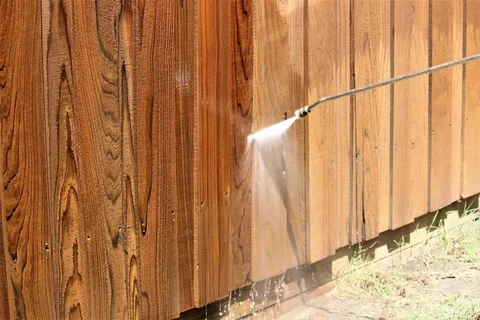
Discolor spots, black marks, and green lines show clear signs that a deep clean is due. These stains form when grime sits long and grows under warm light and moist air. You may notice lines across joints and spots that feel soft under mild touch. These marks show that wood needs care before deeper issues start. A smart fence maintenance routine helps catch issues early with ease, using deep cleaning tips for fences.
Cracks, splints, and wet marks also show that deep cleaning is due before damage spreads fast. Wood breaks more when dirt settles inside small gaps for long periods. These cracks grow when heat and cold hit the wood without rest during long seasons. A quick check helps you spot weak areas that need care now. Follow the fence maintenance routine steps and use affordable fence cleaning methods to get the best results.
Factors That Affect Cleaning Frequency
Not All Fences Age the Same
Wood type sets the pace of care needed as cedar pine and treated wood age differently each year. Some types resist mold while others trap moisture that leads to fast wear. If you know the wood used, you can plan cleaning based on true needs with ease. You use mild tools on soft wood and strong tools on firm wood to keep each fence safe. These wooden fence care tips help fences stay neat for a long time.
Sun heat, rain, and humid air all push wood to age faster and need more care across seasons. Harsh heat dries boards, and cold rain adds moisture that sits deep in grains. Shaded spots stay wet longer and grow mold that spreads fast and harms wood strands. A fence with open sun may dry well, but still age due to heat. These wooden fence care tips help you act early.
Plants, soil, and wet beds near fences bring mold fast by holding moisture where wood meets earth lines. Vines trap air and make wood wet longer than dry open zones. Moss may form when the soil stays damp and spreads across many boards. A trim yard helps guide air and keep the fence clean and firm. Follow wooden fence care tips to avoid early wear.
How Often to Deep Clean Your Fence
Ideal Cleaning Schedule
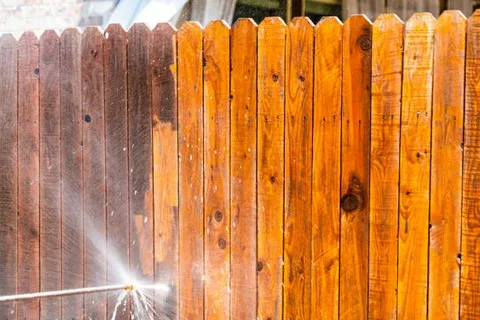
Most fences need a deep clean once or twice per year to stay neat and strong. This cycle clears grime, mold, and old marks that form across long seasons. Wood stays firm when washed on time with mild or strong tools based on its age and type. A set plan saves time and keeps the fence safe from long-term harm. This choice supports a clean fence cleaning schedule. Regular care also helps you spot early wear that grows when left unchecked for long months. Clean wood also holds stain better and keeps color rich through harsh sun and rain, much like the results you get from professional house washing services.
If your fence sits in harsh heat or wet zones, clean more often to avoid fast wear. These areas push mold to form fast and harm wood within short months each year. A three-month cycle clears these marks before they spread out. Your fence stays neat and firm when cleaned on time with mild care steps. Use a clear fence cleaning schedule for best results. Homes near trees or ponds may see faster mold growth and need more checks. A short cycle also helps remove dust buildup that hides faults on aging boards.
Step-by-Step Deep Cleaning Guide
Clean Your Fence Safely and Effectively
Clear loose dirt, leaves, and grit from your fence to prep for a deep wash. This step helps open wood grains and guides water to reach deep spots with ease. Move slow and tap each board to shake off trapped soil from small warm gaps. This early prep makes each wash smooth and lets water flow deep into grains. You also spot small cracks that need care during later steps. The fence now stands ready for mild wash steps. This is the best way to clean a wooden fence for long life.
Use a mild wash mix or ready fence soap to clean wood without harm at any stage. Mix water with soap made for wood to help clear grime at speed. This mix lifts mold marks and soft stains on many grains. Let the mix sit for a short time so the dirt loosens well before your rinse. Check boards for signs of deep mold that may need a second pass. Wait a short while, then check for dark spots and rinse once more. This is the best way to clean a wooden fence used by many homes.
Use a hand brush, power wash, or soft wash gear based on the wood age and type. Old wood needs a soft flow that lifts dirt while keeping grains safe from harsh spray. New firm boards take a strong wash if stains sit deep in the grains. Brush tools work well for small marks and hard, tight spots. Slow, steady strokes help you reach corners and joints where grime hides. This careful method stops damage and keeps grains strong.
Rinse boards slow and let them dry for a full day or more, based on the sun. Dry boards show real grain and help seal the mix well for a long time. Wet boards hide stains, so check again once dry to catch small marks. A full dry fence also lets you judge if more wash is needed. This step helps your next care step work well and last long. Now wood stands neat and ready for the next care steps.
Preventing Mildew, Mold, and Algae
Protect Your Fence Year-Round
Use a mix that stops mold and keeps wood dry through long wet spells each year. Vinegar mix lifts light green marks and clears soft grime that sits deep in grains. These early care steps help slow new mold and stop stains from turning dark fast. You save time when you check boards often and spot small issues before they grow large. This simple care keeps wood firm and neat across long seasons.
Guide water away from fence lines and keep soil low to reduce wet spots near wood. When soil stays damp too long, it harms the base and draws mold that spreads fast across many boards. A dry zone helps wood breathe and stay strong through long storm months each year. These steps help remove mildew from fence and stop early wear that harms grains.
Trim plants to let air move well around boards and help wood dry with ease after rain. Thick vines trap dew and stop the sun from reaching soft edges that need warm light to dry well. This creates mold trails that spread wide and harm grains over time. Plant trim keeps wood bright and firm by letting air pass smooth across each board. These steps help remove mildew from fence and keep fence neat year-round.
Trim plants to let air move well around boards to keep wood dry longer. Thick vines trap dew and stop the sun from drying edges that stay wet for long. This creates mold marks that spread across many grains. A neat yard keeps boards dry and strong. These steps help remove mildew from fence.
Post-Cleaning Maintenance
Seal Stain and Protect Your Fence
Apply seal mix or stain to keep wood firm and neat through harsh seasons. This helps block water and sun from harming grains that should last long. Seal mix forms a thin shield that keeps grime off deep gaps. Check board tone and match stain for a clean, rich look. These tips suit stain and seal for fences.
Use UV guard mix and water guard to keep wood from aging fast in the heat. Sun dries grains, and rain adds wet zones that harm wood when left long. These guard steps add layers that help boards last for many years. Check each year and coat again as needed. These steps match stain and seal for fences.
Quick Comparison (Cleaning Methods)
| Method | Pros | Cons | Best For |
| Power Washing | Fast deep clean | May harm old wood | Large wooden fences |
| Soft Wash | Gentle safe for old | Slower | Aged or weak fences |
| Hand Scrub | Cheap clear control | Hard labor | Small zones or spots |
Power wash offers quick results and clears grime deep in wood grains fast and with ease. It works on firm boards and suits wide yard fences that need strong wash. But old soft boards may not hold well under strong spray. Use this method for large zones, but act with care.
Soft wash suits aged wood that needs a mild touch and safe clean steps with time. It clears grime slow but keeps grains neat without harsh force or fast wear. This method helps old wood stay firm and clean through long seasons. Use it when the power wash feels too strong.
Hand scrub gives full control and suits small zones or group spots on aged boards. It takes a long time but removes tight stains that need close care and slow moves. You feel each grain and treat soft parts with calm force. Use it for marks that other tools may skip.
Conclusion
Keep Your Fence Beautiful and Long-Lasting
Your fence stays strong when you schedule deep fence cleaning once or twice a year using smart maintenance steps. Use simple fence washing methods and care tools that match the wood’s age and wear level. A well-maintained fence boosts curb appeal and lasts longer when cleaned on time. Set a regular fence care plan and follow it for the best results. These notes support how often you should deep clean your fence with guidance from FC Paint Pro.
Season plans help you clean in spring or fall and keep grime from growing fast. These steps match your yard needs based on wood plants and wet zones. Clean boards shine well and stay firm for long spans. Use mild or strong wash based on true needs. These tips explain how often should you deep clean your fence.
Start your fence care now to keep wood neat and strong for many years to come. Wash seal and check each year, and act fast when new marks form. Plan well and use smart tools based on board needs. “Start your fence maintenance today and preserve its beauty for years!” These steps guide how often should you deep clean your fence.
FAQs
Common Questions About Fence Cleaning
A fence clean time varies by size, but most homes finish within a few hours. Large fences with dense grime need more prep since boards must be checked for soft spots and loose grains. If you use a power washer, the work speeds up, but older fences may need hand work that takes more time.
Strong spray may harm old boards, so test mild flow before a full wash. Older wood fibers open fast under high pressure and can split when water hits at sharp angles. A lower PSI range keeps grains safe while still clearing grime from tight joints.
Yes, clean first, then stain or seal once the wood dries well under the warm sun. Stain bonds better when wood is free of dust and mold that blocks deep soaking. Dry boards also help sealers form a smooth layer that lasts through heat, rain, and long, cold days.
Use a mild mix and scrub slow, then rinse well and let the boards dry in the sun. For deep spots, test a mix made for mold so it reaches grains that sit under surface marks. Brush in short strokes to lift buildup, then rinse slow to avoid harming soft wood.