
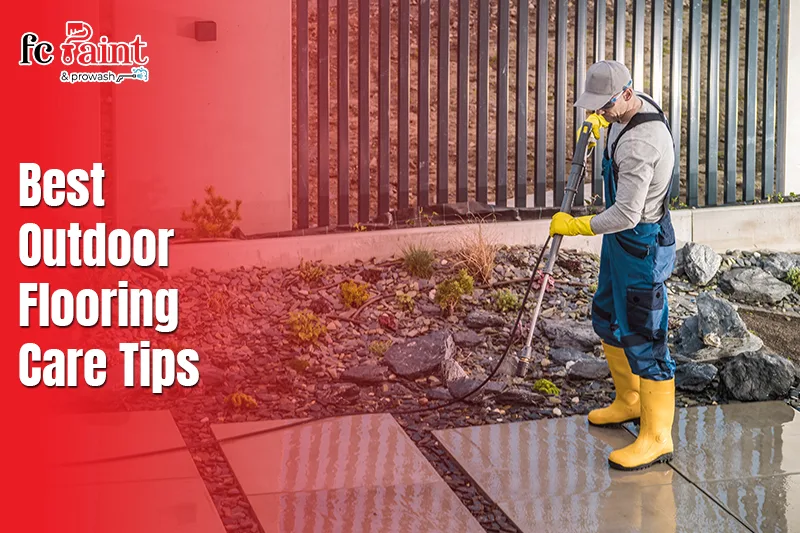
Exterior floors face sun, rain, dirt, and wear far more than indoor surfaces. They hold your gatherings, bear foot traffic, and weather every storm. Yet many homeowners forget how vital proper care really is. When ignored, outdoor floors fade, crack, or stain faster than expected. They need thoughtful upkeep to remain strong and bright through each season. That is where these outdoor flooring care tips come in handy. They make care easy without pricey tools or tough work. Clean daily to lift dust and stop small grit from scratching the surface. Gentle washing every week keeps textures fresh and safe for family use.
Gentle washing every week keeps textures fresh and safe for family use. Regular checks for loose tiles or gaps stop bigger repairs later. Even the choice of cleaner or sealer matters more than most think. Using mild soap and natural solutions saves both color and strength. The good news is that outdoor floors respond quickly to steady care. Each sweep, rinse, and dry session adds years to their life. You can enjoy your patio or yard with pride when it always looks fresh. Follow these outdoor flooring care tips to protect your investment and preserve beauty under every sky. This guide gives full-spectrum advice for keeping outdoor floors bright, neat, and ready for every season.
Types of Outdoor Flooring & Their Needs
Different Materials, Different Care
Every outdoor floor tells its own story. Some stay cool under the sun, while others hold warmth after dusk. Yet all need attention to stay neat and strong. When you understand how to maintain outdoor flooring and what each one faces, caring for it becomes simple.
Concrete
- Vulnerability: Concrete often cracks when water freezes or heat expands the surface. It can also absorb oil or dirt stains.
- Care: Wash it weekly with mild soap and water. Seal once a year to prevent cracks and stains.
Natural Stone (Slate, Travertine, Flagstone)
- Vulnerability: Acidic cleaners or heavy scrubbing can dull natural stone and fade its color.
- Care: Clean with a pH-neutral product and a soft cloth. Reseal twice a year to keep the texture smooth and the colors bright.
Wood Decking
- Vulnerability: Rain and sun cause fading, cracking, or mold growth.
- Care: Use mild soap and water for weekly washes. Let it dry fast after rain. Reapply sealer or wood oil every few months.
Tiles
- Vulnerability: Tiles can get slippery when wet, and grout gathers dirt fast.
- Care: Mop with warm water and a gentle cleaner. Reseal grout once a year to stop stains and improve safety.
Brick
- Vulnerability: Moss and weeds grow in joints, and bricks may shift over time.
- Care: Sweep often and rinse with a light cleaner. Refill gaps with sand to keep bricks stable and level.
Each flooring type reacts differently to the outdoors. When you follow its care rhythm, it stays strong, safe, and beautiful for years.
Routine Cleaning & Maintenance
Keep It Clean Week by Week
Outdoor floors collect dust, leaves, and stains faster than indoor ones. A simple weekly routine keeps them neat and prevents damage. Small actions like sweeping or rinsing make a big difference over time. Let’s explore how to clean and maintain your flooring step by step.
Sweep and Remove Debris Regularly
Dry leaves, dirt, and sand might seem harmless, but they scratch surfaces and cause wear. When these particles stay too long, they grind into concrete, stone, or tile and dull the shine. Sweeping every few days keeps surfaces smooth and safe to walk on. Use a soft broom or leaf blower instead of rough brushes that might scrape the finish. For stone or brick, sweep along joints to remove grit before it settles. This habit prevents buildup and extends the life of every outdoor floor.
Gentle Washing / Rinsing
Once a week, give your patio or deck a gentle rinse. Use a garden hose or low-pressure washer with mild soap. Avoid strong chemicals or bleach that can weaken sealants and fade color. Focus on corners and shaded areas where dirt gathers easily. For wood, make sure water drains away quickly to prevent swelling. For tile or concrete, rinse until the water runs clear, then let it air dry. This easy wash is a great example of how to pressure wash your home safely and effectively, keeping your outdoor area looking fresh without much effort.
Spot Cleaning Stains Early
Stains from oil, rust, or mildew can spread fast if ignored. Handle them right away to stop lasting marks. For oil spots, use a soft cloth with warm water and mild detergent. Rust needs a cleaner designed for metal stains, but always test a small area first. Mildew responds well to a mix of water and white vinegar. Never scrub too hard, especially on natural stone or wood, as this can leave scratches. Quick attention keeps your floor spotless and bright all year and supports proper patio floor maintenance.
Prevent Weed and Moss Growth
Weeds and moss love to grow between cracks or joints. Besides looking messy, they can lift pavers or trap moisture. To prevent this, refill joints with sand every few months and apply a light herbicide if needed. For moss, scrape it gently with a plastic tool or brush, then rinse the area clean. If you prefer natural care, try a mixture of vinegar and water as a safe treatment. Regular checks and cleaning stop growth before it spreads. Keeping weeds and moss under control makes your space tidy and safe to walk on.
Routine care might seem small, but it keeps outdoor flooring strong and beautiful for years. Each sweep, wash, and repair adds to its life. A little effort each week saves time, money, and stress later.
Sealing & Protective Coatings
Why and When to Seal Outdoor Floors
Sealing outdoor floors is a simple way to keep them looking new. When sealed, the floor can handle rain, dust, and sun without losing its shine. A good sealer also blocks water, oil, and stains that cause dull spots. Once you apply it, cleaning becomes quick and easy. You spend less time scrubbing and more time enjoying the space. Regular sealing also plays a key role in patio floor maintenance and keeps your space bright for years.
To enhance durability and beauty, seal pavers for a strong and long-lasting finish. Proper sealing helps protect your outdoor surfaces from damage, preserves their natural color, and ensures they stay smooth and sturdy through every season.
Different materials react differently to outdoor conditions, so the timing of resealing varies. Concrete or stone floors should get a new coat every two or three years. Wood decking needs it more often because it soaks up water fast. Tiles or porcelain surfaces need less care but still benefit from a light coat over time. You can test your floor easily by sprinkling some water. If it soaks in instead of beading up, the floor is ready for resealing.
When picking a sealer, always choose a breathable one. It keeps out stains and moisture but still lets the surface breathe. Non-breathable coatings trap water under the surface and may cause bubbles or flaking. Before applying, clean the floor well and wait until it is fully dry. Use a roller or sprayer to add even layers and let each coat dry naturally. This step is key when learning how to maintain outdoor flooring and protect it for years.
If you want more detailed steps, read The Complete Guide to Patio Flooring Maintenance. It offers useful examples on testing, prepping, and sealing outdoor areas the right way. With proper care, your patio stays solid, smooth, and beautiful in every season.
Repair & Reconditioning Tips
Fixing Small Issues Before They Grow Big
Outdoor floors face stress every day from weather, heavy use, and time. Small cracks or loose parts can become large problems fast if ignored. Regular inspection helps spot early signs of wear before they turn into expensive fixes. Start by checking for cracked tiles or broken pavers. These can shift under pressure and cause uneven spots that may lead to trips or falls. Replace any damaged pieces right away.
Keep a few spare tiles or pavers from your original batch if possible. Matching materials make repairs easier and keep your patio looking smooth and uniform. Next, look at the spaces between tiles or pavers. Over time, grout or joint sand wears down or cracks. Re-grouting tiles and refilling joints with sand or polymer mix prevents water from seeping under the surface. This small step stops erosion and extends the life of the whole floor. Always clean joints before applying new material so it sticks well.
Concrete areas also need attention. Small cracks let water in and cause deeper damage during freeze and thaw cycles. Use a filler or patch compound for small cracks and holes. Smooth it out evenly and let it dry before walking on it. If cracks keep returning, check for drainage issues or shifting soil beneath.
Reconditioning goes beyond simple repair. Once fixes are done, clean the area well and reseal if needed. Fresh sealant keeps your floor safe from stains and moisture. Doing these tasks once or twice a year maintains strength and beauty. With steady care, your outdoor flooring remains strong, even against harsh weather or constant use.
Seasonal Care
Season-by-Season Outdoor Flooring Check-up
Outdoor flooring faces new challenges each season. A simple care plan keeps it strong all year. Every few months, spend a little time checking, cleaning, and protecting your space. It saves effort later and keeps your patio or yard looking neat.
Spring
Winter can leave stains, cracks, and dirt behind. Start the season with a deep clean. Sweep debris, scrub away grime, and rinse well. Inspect for frost damage or loose tiles caused by freeze cycles. Fix any small issues before plants and furniture return. Spring is also a great time to reseal or repaint surfaces before the summer heat.
Summer
The sun can fade color and weaken some materials. Check for dry spots, fading, or warping in wood decking. Clean lightly every week to stop dust buildup. Move outdoor furniture now and then to prevent marks. For stone or tile, look for signs of UV wear. A quick rinse every few days keeps the floor cool and bright.
Fall
Falling leaves and rain bring moisture that can stain or cause mold. Sweep often and keep gutters clear so water flows away. Check sealers and repair any weak spots. Fall is also the best time to fill gaps or cracks before winter. Keep the area clean and dry to stop slipping when it gets cold.
Winter
Cold weather and ice can harm flooring if ignored. Avoid salt that eats into surfaces. Use sand or mats for grip instead. Clear the snow quickly so it does not melt and refreeze. If you can, cover parts of the patio to protect it from frost. A short inspection after each storm prevents lasting damage.
By caring for your outdoor floor season by season, you avoid big repairs and extend its life. A few minutes of effort throughout the year keeps your flooring clean, safe, and ready for every season ahead.
Tips for Specific Surfaces
Tailored Advice for Different Materials
Each outdoor surface has its own needs, and using the right method keeps it looking great longer. Here’s how to care for the most common flooring materials.
Wood / Composite Decking
Wood and composite decks add warmth and charm but need steady care. Clean weekly with mild soap and water to remove dirt. Once dry, apply oil or stain to protect the surface and keep its color rich. For composite decking, avoid harsh scrubbing that can leave marks. Regular protection prevents fading and moisture damage on hot or rainy days.
Natural Stone
Natural stone floors like slate or travertine need gentle products. Always use pH-balanced cleaners to prevent surface wear. Avoid vinegar or bleach since they can dull the natural shine. Sealing the stone once or twice a year helps resist stains and water damage. With soft cleaning and proper sealing, your stone stays smooth and bright.
Tiles
Outdoor tiles are durable but need the right approach. Avoid abrasive scrubbers or strong acids that can scratch or fade tiles. Use warm water and a neutral cleaner for daily care. Check grout lines often and reseal them when needed to stop moisture from slipping underneath.
Concrete
Concrete is tough, but it can still lose its finish over time. Apply densifiers or polish to strengthen and renew its surface. If stains appear, clean them quickly with soap and warm water. A fresh sealer once every few years keeps the surface even and long-lasting.
With these surface-specific tips, every material stays protected, clean, and ready to handle daily use with ease.
Common Mistakes to Avoid
Don’t Make These Outdoor Flooring Errors
Even with regular care, some habits can do more harm than good. Knowing what to avoid helps your outdoor flooring stay strong and look new for years.
Using High-Pressure Washers on Delicate Surfaces
Many people use pressure washers to clean quickly, but they can damage surfaces like wood or soft stone. High-pressure strips sealants and weaken the material. Use a garden hose or low-pressure rinse instead to protect your floor’s finish.
Applying Sealers to Damp Surfaces
Sealing wet flooring traps moisture under the surface. This causes bubbles, peeling, and stains over time. Always clean first and allow the area to dry fully before applying a sealer. A few extra hours of drying make a big difference in how long the finish lasts.
Skipping Joint Maintenance
Loose or worn joints allow water to seep through and damage the base layer. Check for gaps between tiles or pavers every few months. Refill them with sand or grout to prevent shifting and cracking.
Using Bleach or Acids on Stone or Tiles
Harsh chemicals like bleach or acid cleaners can erode natural stone and tile surfaces. They remove shine and cause discoloration. Stick to mild soap and water or a pH-balanced cleaner for safe and effective cleaning. Avoiding these simple mistakes helps your outdoor floor stay clean, safe, and beautiful year after year.
Conclusion
Protect Your Outdoor Flooring for Years to Come
Caring for your outdoor flooring takes time, but it pays off in strength and beauty. Regular cleaning, sealing, and small repairs keep every surface looking fresh. Seasonal care protects your floors from rain, sun, and snow while preventing cracks or fading. Even simple habits like sweeping weekly or rinsing after storms add years to your floor’s life. Check your surfaces often and fix small problems before they spread. Reapply sealers when water stops beading, and keep joints filled to stop weeds or movement.
Choose gentle cleaners and tools that match your flooring type. Whether it’s stone, tile, wood, or concrete, each one rewards steady care with lasting beauty. Maintenance isn’t a chore when you see it as protection. Every task adds value and keeps your outdoor space safe, bright, and ready for guests. When you care for your flooring regularly, it stays firm and stylish through every season. Start small and stay consistent. A short cleaning or check-up now can save you costly repairs later. Your patio or deck deserves the same care as any part of your home. Following these outdoor flooring care tips helps you protect and enjoy your space year after year.
For a spotless and lasting finish, trust FC Paint Pro Wash to keep your outdoor floors looking their best. Their expert cleaning and maintenance solutions ensure your surfaces stay clean, durable, and beautiful in every season.
Start with a cleaning today and keep your floors beautiful for years.
FAQs
It depends on how much foot traffic and the weather your area gets. Most patios and decks should be swept weekly and washed every two weeks. During pollen or rainy seasons, you may need to clean more often. Regular cleaning stops dirt from settling and keeps surfaces looking new.
It’s best to avoid high-pressure washers on natural stone. The force can chip or loosen the surface. Instead, use a garden hose with a low-pressure nozzle. For stubborn spots, apply mild soap and scrub gently with a soft brush. Always rinse well and let it dry completely.
Some sealers slightly deepen or darken natural tones, especially on stone or concrete. Always test on a small area first. Choose a clear, breathable sealer if you want to keep the original color. Once dry, it helps highlight the surface while keeping it safe from stains and sunlight.
Mold often grows in damp, shaded areas. Mix warm water with mild soap or white vinegar. Use a soft brush to scrub lightly, then rinse and dry the area. Avoid bleach on natural materials as it can cause discoloration or weaken the surface. Following these steps helps you apply the best outdoor flooring care tips and keep your space clean and safe.
Yes, sealing adds a layer of protection against water, dirt, and UV rays. It prevents cracks, fading, and stains. Depending on your flooring type, reapply every few years or when water stops beading on the surface. Proper sealing keeps your outdoor floor strong, clean, and easy to maintain all year round.